









A cat vanished after her family’s car crashed in 2020; six years later, one tiny microchip brought her home | World News
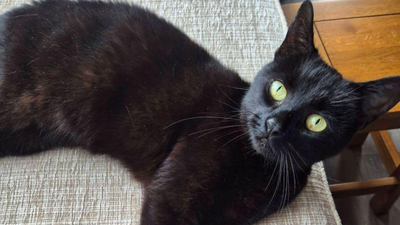
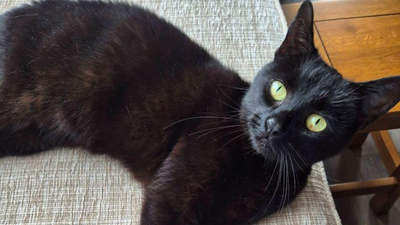
A cat named Pandora has been reunited with her family six years after disappearing during a serious road accident in Scotland. In 2020, Pandora was travelling with her owners, Mary and Billy Bowie, who were moving from Colchester, England, to Fraserburgh, Aberdeenshire, when their van crashed near the village of Errol in Perthshire. The vehicle rolled several times, throwing Pandora’s cat basket out of the van and leaving the frightened animal missing. Despite returning to the area and appealing for help, the family could not find her. The mystery remained unresolved until August 2026, when a Cats Protection volunteer scanned a microchip belonging to a cat found near Perth and discovered the information that would lead Pandora back to her owners.
A road accident that separated Pandora from her family
Pandora and her sister, Ziggy, had been adopted by the Bowies as kittens from the RSPCA in 2017. When the family began moving from England to Scotland three years later, the cats travelled with them in separate vehicles.Billy was driving a van carrying Pandora, while Mary followed in another car with their daughter, grandson and Ziggy. Near Errol in Perthshire, Billy’s van was involved in a serious crash and rolled several times. Pandora’s basket was thrown from the vehicle, and the cat disappeared.Mary and Billy searched around the crash site, but Pandora could not be found. Although Billy had escaped serious injury, the family was left distressed by the disappearance of their pet during an already traumatic journey.
The family continued searching for their missing cat
After moving to Fraserburgh, the Bowies did not give up on finding Pandora. They returned to the area where the accident had happened, despite the journey taking around two and a half hours from their new home.The family also appealed for information through a local Facebook group. Some people reported seeing a black cat wearing a distinctive blue-and-green collar, which matched Pandora’s description. However, nobody managed to catch her, and the sightings did not lead to a reunion.As the months turned into years, the family remained without answers about what had happened to Pandora. Her disappearance had begun with a sudden accident, and there was no clear indication of where she had gone or whether she was still in the area.
A microchip scan provides the breakthrough
The breakthrough came in 2026 after a local woman contacted Cats Protection about a cat that repeatedly tried to enter her home. Fiona Morrison, a volunteer with the charity, went to investigate and put down food to help her approach the animal.Morrison suspected the cat might be a stray and decided to scan it for a microchip. The scan revealed identifying information linked to a family in Fraserburgh, prompting the charity to contact the owners.The discovery connected the cat to Pandora’s family, six years after she had disappeared near Errol. A routine identification check had provided the crucial information that years of searching had failed to uncover.
An unexpected birthday call brings Pandora home
Mary received the news on August 9, 2026, while celebrating her birthday with her family. The call from Cats Protection Perth came as a surprise, particularly because the charity was contacting her from an area some distance from where Pandora had gone missing.A few days later, Mary and Billy travelled to collect their cat. After six years apart, Pandora was finally back with the people who had adopted her as a kitten.Mary said Pandora settled back in well and responded to her name. She also remained attached to the couple’s grandson, providing a familiar connection despite the long separation.
The role of microchips for missing pets
Pandora’s reunion highlights how a microchip can help identify a missing animal long after it disappears. A microchip contains a unique identification number that can be read with a scanner and matched to the owner’s registered contact details.Unlike a GPS tracker, a microchip does not show an animal’s location. Its value lies in helping vets, animal welfare workers and members of the public connect a found pet with its registered owner.Cats Protection advises pet owners to keep their microchip registration details up to date so they can be contacted if their animal is found. In Pandora’s case, the information remained useful six years after the crash, allowing a volunteer to trace her family and bring an extraordinary reunion within reach.