







In 1985, a British comedy fundraiser began with a televised appeal; 40 years later, Comic Relief has raised over £1.6 billion to tackle poverty worldwide | World News
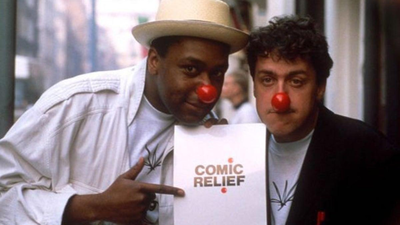
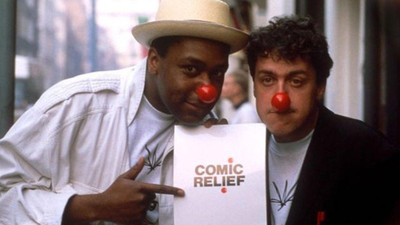
A British comedy fundraiser that began with a televised appeal in 1985 has grown into one of the country’s best-known charitable initiatives, raising more than £1.6 billion over four decades. Founded amid the humanitarian crisis caused by famine in Ethiopia, Comic Relief brought comedians and entertainers together to encourage people to donate to those in need. Its flagship campaign, Red Nose Day, launched in 1988 and turned comedy, celebrity performances and public participation into a recurring fundraising event. Over the years, the charity has supported thousands of projects in the UK and internationally, helping organisations tackle poverty, improve access to essential services and support vulnerable communities. What began as an unconventional fundraising idea has become a long-running movement combining entertainment with charitable giving.
How Comic Relief began in 1985
Comic Relief was established in 1985 against the backdrop of the devastating famine in Ethiopia and the wider humanitarian crisis in East Africa. Its origins are associated with British screenwriter Richard Curtis, comedian Lenny Henry and charity entrepreneur Jane Tewson.According to Comic Relief’s historical annual report, the organisation was launched on Christmas Day 1985 through a satellite broadcast from a refugee camp in Sudan. The appeal sought to draw attention to the humanitarian crisis and encourage support for people affected by poverty and displacement.The founders developed an approach that used comedy and entertainment to engage audiences with charitable causes. Rather than relying exclusively on conventional appeals, they sought to make fundraising accessible to a broad public through humour, television and collective participation.
The first Red Nose Day raised £15 million
Three years after Comic Relief was established, its flagship fundraising campaign, Red Nose Day, was launched in 1988. The first event combined comedy sketches, television appearances and public fundraising to encourage donations for people facing poverty and hardship.According to Comic Relief’s official history, the inaugural Red Nose Day raised approximately £15 million. The televised event featured comedy performances involving Blackadder and The Young Ones, helping establish a format that would become a recurring feature of British television and popular culture.The red nose became the campaign’s recognisable symbol, giving supporters a simple way to participate and show their support. Over time, the event expanded to include celebrity challenges, community activities, merchandise and donations from individuals and businesses.
How comedy became a fundraising tool
Comic Relief built its approach around the idea that entertainment could encourage people to engage with serious social issues. Comedy sketches, celebrity appearances and fundraising challenges became central features of its televised campaigns.Over the years, the charity has encouraged people to organise activities in schools, workplaces and communities. Supporters have raised money through sponsored challenges, bake sales, merchandise and individual donations, alongside the major televised appeals.In 2002, Comic Relief launched Sport Relief, a fundraising initiative that encouraged people to participate in sporting and physical activities to support charitable causes. The initiative broadened the charity’s fundraising approach beyond comedy and television performances.The combination of entertainment and public participation helped Comic Relief sustain its fundraising activities over several decades, bringing charitable causes to audiences who might not otherwise have engaged with traditional appeals.
Comic Relief crossed £1 billion in fundraising
A major milestone came in 2015, when Comic Relief announced that its cumulative fundraising had exceeded £1 billion. The announcement coincided with the 30th anniversary of the organisation’s founding.Red Nose Day 2015 raised £99,418,831, according to the charity’s official historical records. The campaign featured comedy performances, celebrity appearances and fundraising challenges designed to encourage public donations.In 2022, Comic Relief announced that its cumulative fundraising had surpassed £1.5 billion. That year’s Red Nose Day raised £42,790,147, marking another significant milestone in the organisation’s history.By its 40th anniversary in 2025, Comic Relief reported that it had raised more than £1.6 billion over four decades. This was the cumulative amount raised since the organisation’s launch in 1985, rather than the proceeds from a single televised event.
Where the money goes
Comic Relief directs funding towards organisations working to tackle poverty and social injustice in the UK and internationally. Its grants support projects addressing immediate needs as well as programmes intended to improve people’s circumstances over the longer term.The charity’s funding priorities include helping people access food and safe accommodation, supporting children and young people, protecting vulnerable communities and addressing inequalities. Its work also covers issues such as homelessness, mental health, domestic violence and access to essential services.Rather than delivering every service directly, Comic Relief works with organisations that understand the needs of the communities they serve. These organisations use grants to provide support, develop programmes and address challenges affecting disadvantaged people.The charity’s approach recognises that poverty can involve several interconnected problems, including inadequate housing, limited access to education, poor health and exposure to violence. Funding initiatives that address these challenges is central to its stated ambition of working towards a world free from poverty.
Red Nose Day marked 40 years in 2025
In 2025, Comic Relief celebrated the 40th anniversary of its founding. The anniversary campaign looked back at four decades of fundraising while encouraging the public to continue supporting its work.Red Nose Day 2025 raised £34,022,590, according to Comic Relief’s official records. The televised event featured comedy sketches, celebrity appearances and fundraising challenges.Among the participants was Jamie Laing, who completed five consecutive ultramarathons, raising £2,053,835. Former racing driver Billy Monger also undertook the Ironman World Championship challenge, raising £1,287,259 for the charity.Comic Relief said it had raised more than £1.6 billion and supported over 100 million people during its first 40 years. The anniversary highlighted how an initiative that began with a televised appeal had developed into an established fundraising organisation supporting communities in the UK and around the world.
The campaign continues beyond its anniversary
Comic Relief continued its fundraising activities in 2026. According to its official history, Red Nose Day 2026 raised £30,004,040 to support people in need.The televised event was hosted by Davina McCall, Joel Dommett, Katherine Ryan, Nick Mohammed and Catherine Tate. Broadcaster Greg James undertook a 1,000-kilometre tandem cycling challenge from Weymouth to Edinburgh, raising £4,225,939.Comic Relief said the overall fundraising total would help more than 1.3 million people access essential support, including food, shelter and safety.Four decades after its launch, Comic Relief continues to use comedy to draw attention to poverty and encourage charitable giving. Its history illustrates how an unconventional fundraising idea can develop into a long-running campaign, bringing together entertainers, communities and donors to support people facing hardship.