









Beyond the game: What schools must get right about student well-being in esports
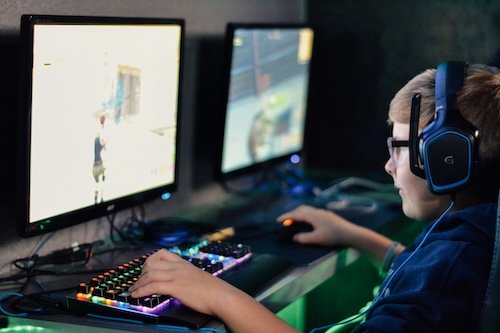
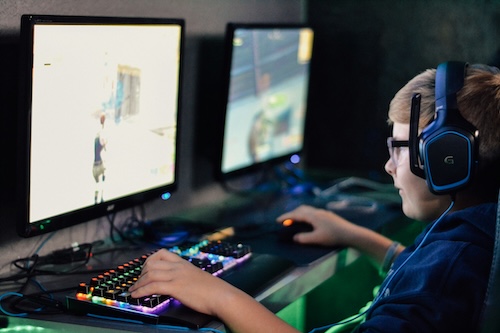
A school can tell me the game, the timetable and the supervision plan in an esports program, but what I also want to know is what happens when voice chat turns hostile or a student needs to step away. That is where the well-being plan gets tested.
Make it easy to speak up
Some students will be happy to play but unwilling to use voice chat during a live game. Others may want to avoid public lobbies altogether. Ask them privately what they are comfortable with, and tell them how to pause or leave a session. A name on the roster does not tell you whether a student feels able to participate.
Treat online behavior as part of the lesson
Check what actually happens inside the game. An age rating will not tell staff whether students can use voice chat, receive direct messages or end up in public lobbies. Try those features with the same account settings students will use. Otherwise, the school may be writing rules for a version of the game the students never see.
Before students begin, decide which channels are allowed, whether they will play with outsiders, and how they can report a problem privately to an adult. Students need to know what happens after they report it. If a player is mocked, excluded or pressured to stay online after a session, the response cannot depend on whichever teacher happens to hear about it first. The adult receiving the report needs a next step: record what happened, decide whether a channel should be closed or restricted, and tell the student when they will hear back.
I led a digital well-being workshop for secondary students during their school’s Discovery Week. The first request was about gaming and social media. As the plan took shape, the school widened it to online communication, habits and confidence because students would be creating content during the week. One slide in my deck asked what to do with a rude comment: reply now, pause, ask someone privately or leave it alone. Another set of prompts covered a friend left out of a group chat and a private screenshot being shared. Those are situations an esports group can carry into its chats after the match ends.
I also included a slide on asking for help. One suggested opening was, “This happened online – but it’s affecting me in real life.” That is easier to use than a vague instruction to tell an adult. Students need to know whom they can approach, and staff need to know what happens after that conversation.
Make competition something students can return to
Before a team plays, agree on session length and what happens if someone needs to step away. If criticism keeps landing on one student, staff need a plan to intervene. I would leave time after a match to ask what felt difficult, not only what worked. That conversation may determine whether the student wants to come back.
I would not claim that esports improves well-being just because students enjoy gaming. Ask them what felt good and what did not. Notice who has stopped coming, who stays quiet and whether an incident changes the next session. Attendance alone will miss some of that.
Give families the details they need
A parent who asks about screen time or online behaviour is not asking to be sold on esports. They need to know which game is being used, how long students play, who supervises, whether chat or public play is enabled, and whom to contact with a concern. Tell them what happens when a concern is raised. If students use a group chat outside the session, families should know who oversees it and when. A timetable and a plain explanation of the safeguards are more useful than a general assurance that the program is educational.
Games change. A competition may move to a platform the school has not used before. When that happens, staff need to check the settings again and update families. I would not assume the original plan still covers it.
At the end of a rough session, I would ask a simple question: Will that student feel comfortable coming back next week? If the answer is uncertain, I would want to know why before calling the program a success.