







In 2016, Caden Smiley returned to his family’s South Dakota ranch; a decade later, he and wife Jori report greater plant and wildlife diversity after adopting rotational grazing and satellite-linked fencing
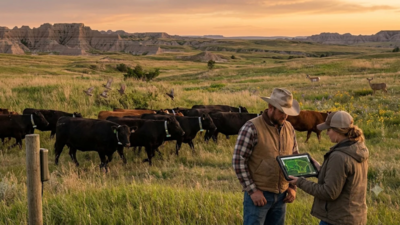
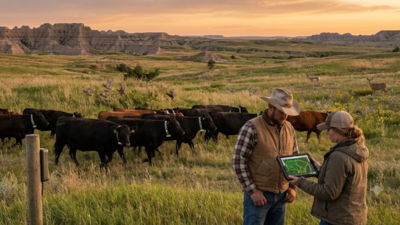
A ranching family in South Dakota has reported a major increase in plant and wildlife diversity after changing how they manage their cattle. Nearly a decade after adopting rotational grazing and satellite-based fencing, Caden and Jori Smiley say their land has healthier grass, more plant varieties and a growing number of wild animals. Caden Smiley returned to his family’s ranch near Kadoka, South Dakota, in 2016. He and his wife, Jori, later moved away from traditional grazing methods and introduced a system that allows grasslands to recover between periods of grazing. In a report to the Tri-State Neighbor, the couple said the changes, supported by virtual fencing technology, have improved the condition of their pastures and helped wildlife return to the ranch.
A technological shift in pastures
The biggest change at Smiley Ranch has been the move to rotational grazing. Instead of allowing cattle to feed in the same pasture throughout the season, the system moves them between different sections of land. When Caden returned to the family ranch in 2016, he said the operation followed “conventional grazing, pretty standard for this area.” Under that approach, cattle had continuous access to the same areas. This could lead to overgrazing, particularly where the grass was most attractive to the animals, while other parts of the pasture received less attention.The Smileys have since introduced a virtual fencing system called Vence to manage cattle movements. The technology uses satellite connections and GPS-enabled collars, allowing ranchers to control where their animals graze without building physical fences. Using a computer or tablet, the couple can draw boundaries on a digital map. These boundaries create grazing areas, known as cells, which can be made larger or smaller depending on the management plan.When cattle approach a virtual boundary, their collars produce a sound warning. If they continue towards the boundary, the collars deliver a mild electrical signal. The animals learn to respond to the warnings and remain within the assigned area. The Smileys plan their grazing schedules in advance. They decide how long cattle should stay in each cell by considering the amount of available grass and the size of the herd. Once the grazing period ends, they move the virtual boundary to guide the cattle into another area.
Recovery of the native grasslands
One of the biggest benefits of rotational grazing is the time it gives grass to recover. Allowing plants to grow again between grazing periods helps improve their health and strengthens their roots. Caden Smiley told the Tri-State Neighbor that he had seen a clear difference since changing the way the ranch operates. “It’s been pretty dramatic, the changes in the grass… Just by giving that rest… the plant community is just so much healthier.“Under traditional grazing methods, cattle can repeatedly eat the new growth before plants have enough time to recover. This forces plants to use stored energy in their roots to produce more growth. Over time, repeated grazing can weaken the roots and damage the plants. Rotational grazing helps prevent this problem. Cattle remain in one grazing cell only long enough to feed before being moved to another area. The land then gets a longer period to recover.During this time, plants can grow new leaves, absorb sunlight and rebuild their root systems. Stronger roots help hold soil together, improve water absorption and allow the ground to retain more moisture. This is particularly important around Kadoka, which lies near the Badlands in a semi-arid region. Rainfall and soil moisture are limited, so keeping grasslands healthy is important for the long-term productivity of the ranch. Giving native plants enough time to recover also helps maintain the natural vegetation that supports wildlife across the region.
Return of varied wildlife populations
The improvements to the grasslands have also benefited wildlife. Jori Smiley told the Tri-State Neighbor that healthier pastures have brought greater variety in both plant life and animal populations. Rotational grazing creates different types of vegetation across the ranch. Some areas are being grazed, while others are recovering and developing taller grass. This creates a mixture of habitats that offers wildlife different sources of food and shelter.The Smileys have noticed a clear increase in wildlife, particularly birds. Caden said different types of grassland birds are now nesting and thriving in areas where the grass has been allowed to grow taller. This is important because many grassland bird populations across the Great Plains have been declining. These birds depend on healthy native grasslands for nesting, feeding and protection.The changes have also benefited larger animals. Mule deer and pronghorn antelope are making greater use of the pastures, where they can find different types of plants to eat and areas of taller grass for shelter. The mixture of grazing and recovering land provides more varied conditions for wildlife. Taller grass can offer protection for young animals, while different plants provide food throughout the year. The increased presence of birds and larger mammals suggests that the ranch’s changing grazing practices are benefiting more than livestock. The couple’s approach is helping support agricultural production while improving conditions for native wildlife.
Management over manual labour
The Smileys have also seen major changes in the amount of time and physical work needed to manage their ranch. Traditional rotational grazing often requires ranchers to build and maintain several fences. This can involve installing electric wires or barbed wire, repairing damaged sections and moving fences whenever cattle need access to another pasture. These jobs can take considerable time and money, particularly on large ranches with uneven or difficult terrain. Virtual fencing has reduced much of this work at Smiley Ranch. Instead of spending hours building and repairing physical barriers, Caden can manage cattle movements through the Vence system. He told the Tri-State Neighbor that the time saved has made a major difference to his daily routine. “We spend about five minutes a morning moving cattle and analyzing our pastures.” Rather than working constantly along conventional fence lines, the couple can now spend more time reviewing pasture conditions and planning grazing schedules. Digital maps allow them to check where cattle are grazing, estimate how much grass is available and decide when animals should move to another section.The technology also gives them more flexibility when managing large pastures. They can change grazing boundaries without having to build new fences, which is particularly useful in West River South Dakota, where large areas may have limited access to water. The system does not remove every task involved in running the ranch. Water supplies and other parts of the livestock operation still need attention. However, it has reduced the physical work involved in moving cattle between grazing areas. The Smileys’ experience since 2016 shows how satellite technology can support traditional land management practices. By combining virtual fencing with rotational grazing, the family has been able to give grasslands more time to recover, reduce daily fencing work and improve habitat for wildlife. Their approach brings together modern technology and established grazing methods, allowing the family to continue ranching while working to maintain healthier grasslands for the future.