










Not only Rubio, Hegseth and Bessent: Around half a dozen Trump officials move into military housing amid ‘security threats’
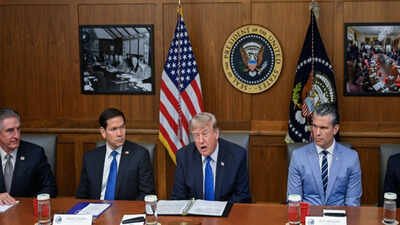
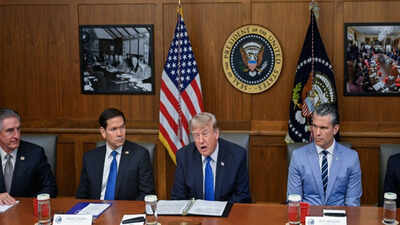
Around half a dozen members of US President Donald Trump’s administration are now living in military accommodation in Washington DC, traditionally reserved for senior military officers and top defence officials, amid rising domestic political violence and what officials describe as emerging threats from foreign adversaries, particularly Iran, CNN reported.Treasury secretary Scott Bessent is the latest known Cabinet member to move into military housing. He recently left his mansion in Georgetown and relocated to a secure military base in Washington.Bessent joins secretary of state Marco Rubio, defence secretary Pete Hegseth, White House chief of staff Stephen Miller and several other Trump administration officials who have already moved into military residences. Many of these homes, some more than a century old, are located within access-controlled military compounds and offer enhanced security.US attorney general Todd Blanche has also recently moved to a military base over security concerns, according to people familiar with the matter. His predecessor, Pam Bondi, had similarly lived at a military installation last year.Meanwhile, Miller, his wife Katie and their four children moved from their Virginia home into military accommodation last year after protests were held outside their residence and flyers carrying their home address were circulated.
Military housing comes at a cost
Cabinet officials residing in military housing are required to pay rent, which typically exceeds USD 4,500 per month, depending on the property.The current rental arrangement dates back to former defence secretary Robert Gates, who served under Presidents George W Bush and Barack Obama and became the first Pentagon chief to live in military accommodation.Former secretary of state Mike Pompeo, who served under Trump, also sought military housing in 2018. However, the Navy initially described his request as “problematic” due to “factual, legal, fiscal, and ethical issues”, according to an internal Navy memo.The memo flagged concerns over the “appearance of impropriety… relating to a civilian secretary of state displacing a uniformed member of the military in a tight housing market”. It also pointed to a waiting list for housing among Navy flag officers at the time.Pompeo eventually took up residence in military accommodation at Fort Myer in Virginia.
Move raises scrutiny
The growing presence of civilian political appointees in military housing has drawn criticism from Democratic lawmakers, who have expressed concerns over the use of facilities intended for military personnel and the rental arrangements involved.Representative George Whitesides of California secured the House Armed Services Committee’s approval for a report examining the issue. The Pentagon has been directed to submit the report by spring, detailing the political appointees living in military accommodation, the security threats prompting their relocation, the legal basis for the arrangements and the rent they pay.Whitesides maintained that the inquiry was necessary to ensure accountability in the use of military residences by civilian officials. He stressed the need to examine “politically-appointed officials living in housing designated for military members to ensure they are paying fair market rates.”The issue has also come under the spotlight following questions over spending on military residences. Defence secretary Pete Hegseth faced criticism last year after lawmakers discovered that the Army was preparing to spend USD 137,297 on repairs and upgrades to his residence at Fort McNair.(With ANI inputs)